
Have you ever wondered why traditional Korean houses have curved rooftops, wooden floors and beautiful open courtyards?
Meet the Hanok (Hanok) – a traditional Korean house that is much more than just a pretty building. Intricately designed around Korea’s four seasons, traditional hanok combines natural materials, clever architecture and a lifestyle closely connected to nature.
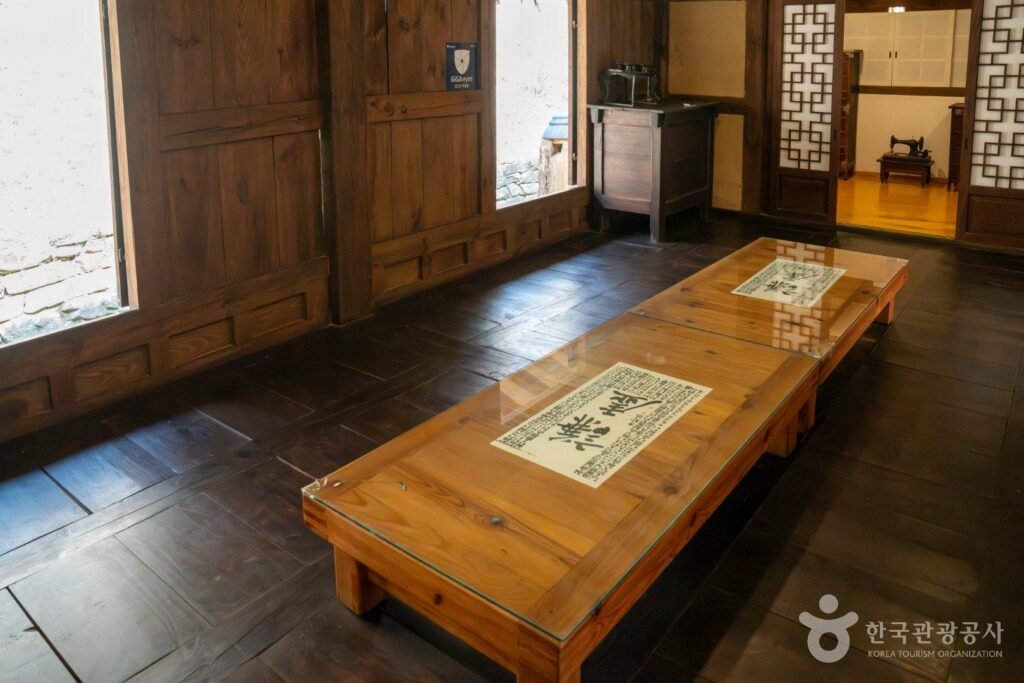
Let’s take a closer look!
1. Ondol: The Secret Behind Warm Korean Floors
Imagine coming home on a freezing winter day and stepping onto a warm floor. Sounds amazing right?
Historically, heat from a kitchen stove traveled through channels underneath the floor, warming the room from below.
This transition still lives on today! Modern Korean homes commonly use underfloor heating, making floors a familiar part of everyday Korean life.
2. Maru: Keeping Cool During Summer
If ondol kept homes warm in winter, Maru helped keep them cool in summer.
Maru is a raised wooden floor area that allows air to circulate underneath. It was often used for a relaxing space where families could sit, enjoy tea and spend time together.
Think of it as a natural air-conditioning system!
3. Madang: The Heart of the Home
One of the most charming features of a hanok is its open courtyard, known as Madang. Far from being just an empty space, the courtyard played an important role in everyday life. Families used it for gatherings, preparing food, drying vegetables and children playing. It also allows sunlight and fresh air to enter the house.
In many ways, it was an outdoor living room!
4. Curved Roofs: More Than Just Decoration
You can’t talk about hanok without mentioning their iconic rooftops!
Traditional Korean roof tiles are called Giwa. Their graceful curves give Hanok their distinctive appearance.
However, the is design is also practical. The extended roof edges protect the wooden structures from rain and strong sunlight.
Beautiful and functional – that’s a combination we love!
5. Where You Can See Hanok in Seoul?
Now that you know about the history of Hanok, do you want to experience traditional Korean architecture yourself?
Here are three places to add to your Seoul itinerary.

– Bukchon Hanok Village
Famous for its traditional houses and picturesque alleyways, Bukchon offers a glimpse of old Seoul. Remember that it’s also a residential neighborhood, so please be respectful of local residents and visitor rules.
Bukchon Village opens from 10:00 AM – 5:00 PM
-Namsangol Hanok Village
A lovely place to explore traditional architecture and learn about historical Korean lifestyles.
-Eunpyeong Village
A beautiful Hanok village surrounded by the scenery of Bukhansan Mountain. Perfect for photography!
Hanok represents much more than traditional Korean architecture. Every feature – from the warm ondol floors to the open courtyards – reflects how Koreans adapted to the seasons and lived in harmony with nature.
So next time you visit traditional Korean village, take a closer look. There’s a story behind every rooftop, wooden floor and courtyard.
#hanokvillage #traditionalkoreanhouses #SeoulHobbi #foreignersinkorea #explore #architecture #family